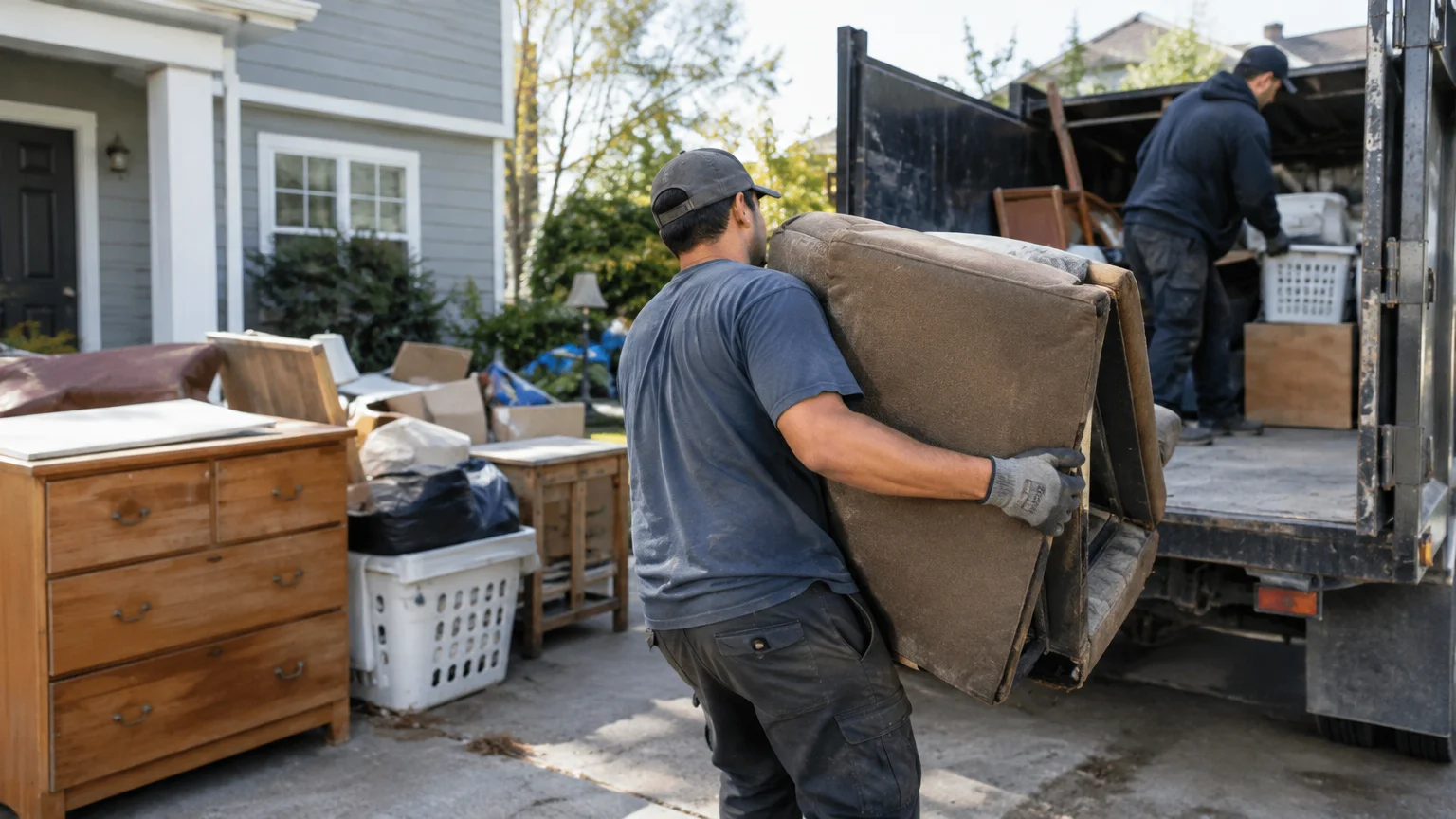
Waste disposal for concrete and construction debris is safest when materials are sorted, prepared, and moved with the right tools. Contractors, remodelers, and property owners can remove concrete, bricks, wood, drywall, asphalt, and other job waste with a clear cleanup plan. This helps prevent injuries, blocked paths, and damage to the property.
What Is the Best Way to Dispose of Concrete and Construction Waste?
The best disposal method depends on the material, its weight, and the work area. Concrete, bricks, asphalt, drywall, wood, and mixed renovation waste should be checked and loaded with care. A local construction debris removal service can help move heavy waste from homes, businesses, and active job sites.
Yakima WA Junk Removal helps property owners plan cleanup based on the size and type of debris. This can matter after a kitchen remodel, bathroom update, driveway repair, wall removal, or larger building job. Good planning keeps paths clear and helps the crew work without harming the property.
Which materials can be included in a construction debris load?
Construction debris is waste left after building, repair, demolition, or remodeling work. Common materials include broken concrete, bricks, asphalt, wood, drywall, tile, flooring, cabinets, roofing pieces, and old fixtures. Some services may also handle furniture removal disposal, appliance removal and disposal, or general junk removal when those items are part of one cleanup.
A crew should check for unsafe materials before loading. Paint, fuel, chemicals, asbestos, medical waste, propane tanks, and other dangerous items may need a different disposal method. Local facility rules can vary, so mention unusual items before the visit.
Mixed loads may also contain packaging, scrap metal, and damaged tools. A clean load is easier to sort than a pile with unknown materials. This can help send debris to the right disposal, reuse, or recycling stream.
Why should concrete and other heavy materials be separated?
Concrete is much heavier than most household junk. Separating it from light materials makes lifting, loading, and travel safer. It also helps keep drywall, wood, and other items from being crushed beneath heavy pieces.
Do not place broken concrete in a weak box, thin bag, or loose pile. Large pieces can shift without warning. Small pieces can still hurt hands, feet, and backs without gloves and sturdy shoes.
Concrete, brick, and asphalt may go to different facilities than ordinary junk. Sorting these materials early gives the crew a clearer plan. Clean masonry and aggregate may also be accepted for reuse or recycling by local facilities.
How Should Broken Concrete Be Prepared for Waste Disposal?
Prepare broken concrete by clearing loose items, separating other materials, and keeping the path safe. You do not need to break large pieces unless you can do so safely. Heavy demolition work is often better for trained workers with the proper tools.
Before booking a pickup, explain where the debris is located. A driveway pile is easier to reach than debris behind a fence, in a basement, or across muddy ground. Clear details help Yakima WA Junk Removal plan the right approach for projects.
What should contractors remove before hauling concrete?
When possible, remove loose soil, trash, wire, plastic, insulation, and other items from clean concrete. Point out rebar and metal rods before loading. Rebar is steel used to strengthen concrete. Sharp edges can hurt workers or damage equipment when hidden inside a mixed pile.
A simple preparation checklist can help:
- Keep concrete away from doors, stairs, and moving vehicles.
- Separate brick, asphalt, wood, drywall, and metal when practical.
- Remove nails, wires, plastic, and loose hardware from the main pile.
- Keep dangerous materials in a separate area for review.
- Leave room for workers to lift and carry each piece safely.
Keep the pile stable until the crew arrives. Children, pets, tenants, and visitors should stay away from construction waste. Even a small slab can move when someone steps on an uneven pile.
How can property owners make debris pickup safer?
Property owners can make pickup safer by clearing the route to the loading area. Move vehicles, tools, hoses, loose boards, and outdoor furniture when possible. Unlock gates and tell the crew about steps, narrow paths, soft ground, or low branches.
The work area should have good lighting during early or late cleanup. Everyone should stay clear while heavy pieces are carried. A homeowner can safely sweep dust and move light items, but should not lift slabs that feel too heavy or unstable.
For larger jobs, the site manager should choose one clear place for debris. This reduces extra trips and keeps waste from spreading across the property. It can also help a professional crew finish with fewer delays.
How Does Construction Waste Disposal Fit Different Jobs?
Construction waste disposal should match the job, the material, and site access. A small bathroom remodel may create tile, drywall, and fixture waste. A driveway replacement may create a dense pile of concrete and asphalt. Each job needs its own handling plan.
The final cost is confirmed in a quote after the service reviews the load and access. Important factors include debris amount, material weight, labor needs, distance to the loading area, and sorting needs. Heavy masonry usually takes more planning than a light pile of cardboard or wood.
Concrete disposal can be one of the harder types of junk removal because each piece is dense and difficult to carry. A small amount of broken tile may be easier than a large driveway pile. A mixed renovation load may also take longer to sort than one clean material.
Describe the debris honestly when requesting service. Photos may show the pile, but the crew may still need to review access and material types. Yakima WA Junk Removal can help homeowners, contractors, and property managers decide what details to share before cleanup.
Some jobs also include items outside the concrete load. A remodel may leave refrigerators, cabinets, mattresses, or furniture behind. If you need to know how to get rid of a fridge or dispose of appliances, check local rules and tell the service before pickup. Appliances can contain refrigerants, wiring, oils, or other parts that need special handling.
When Should You Hire a Professional for Concrete Disposal?
A professional should handle concrete disposal when debris is heavy, spread across a work site, hard to reach, or unsafe to lift. Trained crews have tools and methods for moving large pieces without asking homeowners to take needless risks. This helps after demolition, storm damage, driveway work, and major remodeling.
A homeowner may handle light sorting, sweeping, and basic cleanup. A professional is a better choice for unstable piles, large slabs, tight access, sharp metal, or debris near walls and vehicles. Workers should understand the hazards before entering a risky area.
What are the safety and equipment challenges of heavy debris removal?
Heavy debris can pinch fingers, strain backs, cut skin, and damage floors or walls. Large pieces may shift during lifting. Narrow halls, stairs, wet ground, and steep driveways add more risk.
Professional crews may use dollies, lifting tools, protective gear, and suitable vehicles. These tools help limit dragging and keep the load steady. They can also help protect lawns, driveways, door frames, and finished surfaces.
Hazardous materials need extra care. Suspected asbestos, chemicals, fuel, batteries, and unknown containers should not be mixed with ordinary construction waste. Point out these items before work begins.
What should you look for in a local construction cleanup service?
A reliable service should explain what it accepts and ask useful questions about the job. It should also provide clear scheduling details and explain how the crew will reach the debris. Good communication matters when several trades work at one property.
Look for a service that can discuss:
- Concrete, brick, asphalt, drywall, wood, and mixed renovation debris.
- Safe access from the pile to the loading area.
- Special handling for appliances and unusual items.
- Protection for driveways, floors, walls, gates, and landscaping.
- Disposal or recycling steps when local facilities accept materials.
Yakima WA Junk Removal serves customers across the main Yakima area, including Downtown Yakima, Terrace Heights, Union Gap, Selah, Wapato, Moxee, and nearby communities. The team can help contractors, property owners, and homeowners clear construction waste after a project ends.
Key Takeaways
- Sort heavy concrete from light construction waste whenever possible.
- Keep children, pets, tenants, and visitors away from unstable debris piles.
- Tell the crew about sharp metal, appliances, chemicals, and tight access.
- Homeowners can sweep and sort light items, but heavy lifting may need help.
- A quote should reflect the load size, material type, labor, and property access.
Frequently Asked Questions
How can someone get rid of an old refrigerator?
Keep an old refrigerator upright and separate from other junk until its removal plan is confirmed. Refrigerators may contain refrigerant, wiring, and oils that need special handling. Describe the appliance when booking service. A local disposal provider can explain whether it accepts the unit and how it will be handled.
What is a cleanout service?
A cleanout service removes unwanted items from a home, office, rental property, garage, or job site. It may include furniture, appliances, boxes, fixtures, and construction debris. The crew sorts and loads accepted items, then takes them to the proper disposal, donation, reuse, or recycling location when available.
Can concrete and household junk go in the same load?
Sometimes they can, but the service should know about both materials before pickup. Concrete is heavy and may need separate loading from furniture, mattresses, appliances, or light waste. Sorting can make the work safer and may help each material reach the right local facility.
What happens to old appliances after removal?
Old appliances may be reused, recycled, or sent to a disposal facility, based on their condition and parts. Refrigerators and some other appliances may need special processing because of refrigerants or electrical parts. Share the appliance type and condition before the crew arrives.
Conclusion
Safe waste disposal starts with sorting, careful preparation, and clear details about the job. Broken concrete, bricks, asphalt, and mixed remodeling debris can create lifting and access risks. A planned cleanup keeps the property safer and helps contractors finish with fewer delays.
Contact us to arrange construction debris removal for a concrete, remodeling, or job site cleanup project.