Have a bulky couch you want gone fast? You are not alone. Many homes and offices outgrow furniture. Big items can be hard to move, hard to donate, and hard to dispose of. That is where couch removal services help. They do the lifting, hauling, and drop-off for you.
Executive summary: Couch removal services provide end-to-end help for sofas and related furniture—from booking and safe in-home pickup to routing items for donation, recycling, or compliant disposal. In Yakima, a team like Yakima WA Junk Removal handles the planning, labor, and transport so you avoid injuries, property damage, and rule violations.
Key takeaways:
- Couch removal services include safe lifting, loading, and transport for sofas, sectionals, recliners, and more, with options for curbside or in-home pickup.
- Costs vary based on size, access, labor time, and local disposal routes; clear photos help teams estimate work.
- Responsible disposal routes usable items to donation first, then recycling, with landfill as a last resort.
- Safety steps—like two-person lifts, floor protection, and disassembly—reduce risk to people and property.
- Residential and commercial pickups differ in scheduling needs, building rules, and multi-item planning.
Table of Contents
- What Couch Removal Services Include and When to Hire Them
- Step-by-Step Process: From Booking to Curbside or In-Home Pickup
- Pricing Explained: Cost Factors, Estimates, and Ways to Save
- Responsible Disposal: Donation, Recycling, and Landfill Rules
- Safety and Property Protection During Removal
- Residential vs. Commercial Couch Removal Scenarios
- Choosing a Reliable Team: Questions to Ask Before You Book
What Couch Removal Services Include and When to Hire Them
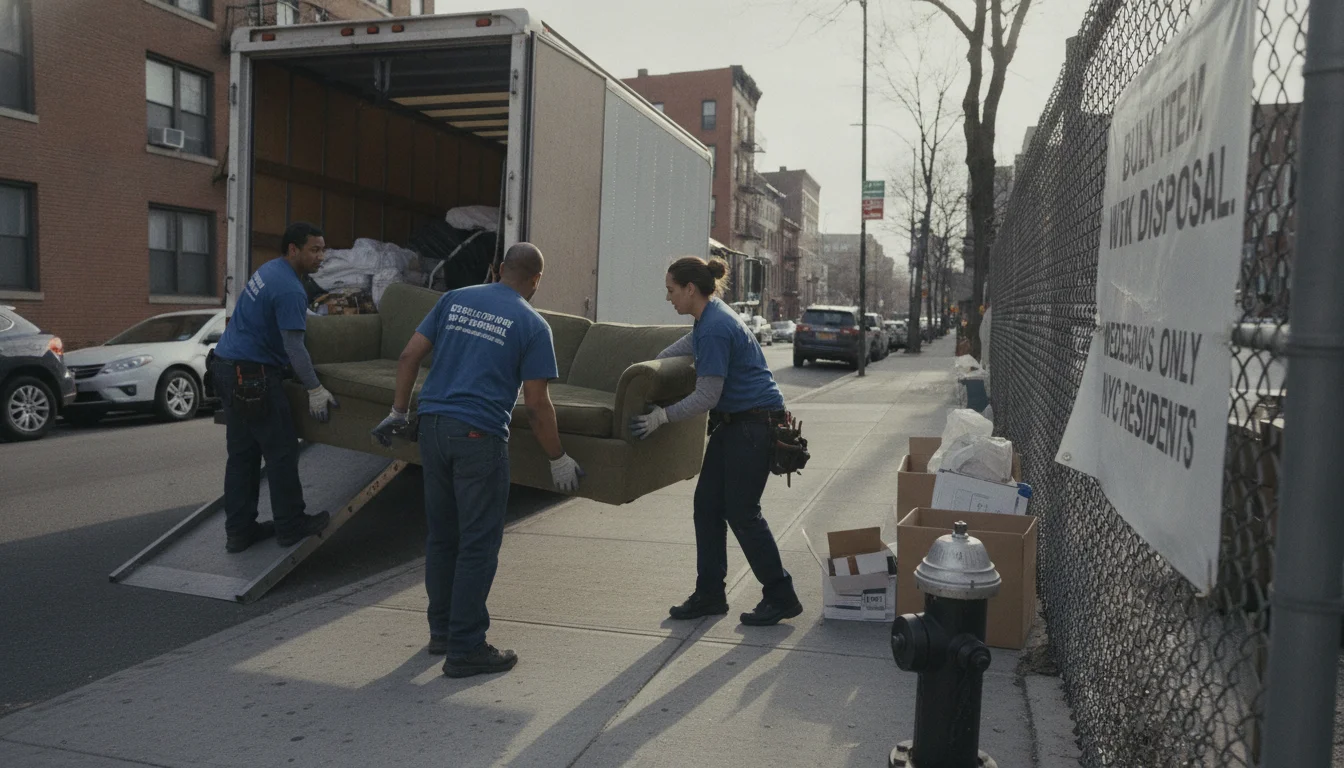
Couch removal services are professional teams that pick up sofas and related furniture, then route them for donation, recycling, or disposal. Within the first visit, they handle the labor, loading, and transport. A “couch” can include a standard sofa, loveseat, sectional, recliner, or sleeper sofa, and service can be curbside or in-home depending on your needs.
A local provider such as Yakima WA Junk Removal works across Yakima every week to remove heavy pieces for homeowners and businesses. People book during moves, renovations, estate tasks, or when a new sofa is on the way. Others call after water damage or a sudden spill leaves a couch beyond repair. In those moments, a quick, well-planned pickup makes a big difference.
Most teams handle sofas, sectionals, sleepers, loveseats, and recliners. They can also remove ottomans, side chairs, and end tables if you want to clear a room in one go. For broader projects that include multiple rooms or other types of furniture, consider Furniture Removal or Commercial Junk Removal. If a mattress needs to go at the same time, you can often add Mattress Pickup to the same visit to keep things simple.
You might hire a crew when the couch will not fit in a vehicle, or when stairs, tight doors, and elevators turn a simple move into a risky lift. Trained teams use the correct gear and planned steps to protect walls, floors, and fixtures. Local municipal guidance may also limit what can sit at the curb or how large items must be handled. A service familiar with Yakima and Washington rules plans an appropriate route for each item.
Common items handled: sofas, sectionals, sleepers, loveseats, recliners
Large items usually require at least two people. Sectionals often come apart into multiple pieces. Sleepers are heavier because of metal frames. Recliners have moving parts that can make them tricky to carry. Experienced crews can remove legs or arms when needed, wrap corners, and load the item safely.
Typical situations: moving, upgrades, estates, renovations, emergencies
Moves and new furniture deliveries create deadlines. Estate projects call for care, documentation, and orderly removal. Renovations need space cleared before work starts. Water damage, pest issues, or smoke exposure can force a quick haul-away. In each case, a scheduled pickup keeps timelines on track and stress low.
Step-by-Step Process: From Booking to Curbside or In-Home Pickup
A smooth removal follows a clear plan. First, you book a date and pickup window. Then you prepare the space so the team can access the item. On the day of service, the crew arrives, confirms the job details, and explains the path. Once approved, they remove the couch and haul it away.
Prep is straightforward. Measure doorways and halls to confirm the couch can pass through. Clear a safe path from the couch to the nearest exit. Move rugs, toys, and decor out of the way. If there are stairs, check that handrails are stable. Secure pets in a separate room. In apartments, reserve elevator time if your building requires it.
Parking and access are important. Tell the team about loading zones, garages, gates, or access codes when you book. For curbside pickup, place the couch where it is legal and safe to collect. With curbside service, crews do not enter your home, so accurate set-out location details help them find the item quickly.
On pickup day, the team arrives within the scheduled window, greets you, confirms the item list, and reviews access conditions. They may wrap arms or corners to protect walls. If disassembly is needed, they handle it. Removal is often swift, though stairs, long carries, and distance to the truck can extend timelines.
How to prepare: measurements, clear pathways, parking and access
Measure the couch’s length, width, and height. Also measure key pinch points such as door width, hallway turns, and stair landings. Clear small items and breakables from the path. Share access notes like gate codes or garage instructions in advance. If possible, save a nearby parking spot. Good prep saves time and reduces risk.
What happens on pickup day: arrival window, assessment, haul-away timeline
Expect a quick review of the route upon arrival. The team plans a safe path, then lifts, carries, and loads the couch. If you also booked Appliance Removal or Hot Tub Removal, the crew will sequence items to minimize trips and protect your floors. After loading, some services include a light sweep of the pickup area.
Pricing Explained: Cost Factors, Estimates, and Ways to Save
Costs vary based on item size, access, and the time it takes to move and load the couch. Larger or denser items require more labor. Stairs, long carries, and tight turns can add time. Disassembly may be necessary for sectionals or sleepers. Many jobs also involve a minimum charge to cover truck and crew readiness.
Volume and weight affect disposal routing. Some facilities price by the amount of space the item takes on the truck, while others weigh items at the destination. If a couch must go to a specific site due to damage or contamination, that can change the route as well. Your team chooses a disposal path that fits local rules in Yakima and surrounding communities.
Clear photos help teams estimate required time and truck space. Complex jobs may warrant an on-site estimate. Good quotes spell out what is included—labor, loading, transport, and standard disposal steps—so expectations are aligned. Some bookings may require a deposit to secure a slot, especially during busy move seasons.
You can often reduce costs indirectly by preparing the area. Move small items and decor out of the path. Confirm elevator access and parking arrangements. If it is safe, remove detachable legs or cushions before pickup. Combine other items into the same visit to avoid a second appointment. Flexibility on dates can sometimes help with scheduling.
What drives price: volume, weight, stairs, disassembly, minimums
A large sectional may take significantly more space than a standard sofa. Sleepers are heavier because of internal frames. Stairs and tight turns add time and care. Disassembly introduces extra steps. Many services apply a minimum to cover the crew and vehicle time.
How quotes work: photo estimates vs. on-site, transparent fees, deposits
Photo-based estimates are fast and work well for straightforward items. On-site estimates are ideal when access is complex. Clear quotes explain what is covered and call out any special conditions such as long carries. Deposits may apply for larger projects or weekend bookings.
Responsible Disposal: Donation, Recycling, and Landfill Rules
A responsible team aims to donate first when items are in usable shape. Donation means routing items to local non-profits that can resell them or provide them to households in need. Recycling focuses on harvesting materials like metal, wood, and foam where possible. Landfill is the last step when an item does not meet donation criteria and cannot be recycled.
Providers decide based on condition and local opportunities. Clean, odor-free couches with solid frames often qualify for donation partners. If fabric is torn, stained, or wet, it may not meet those standards. Cities also publish bulky item guidance that teams follow alongside drop-off site rules. The approach in Yakima will reflect county and municipal requirements.
Donation centers typically list what they accept. Many look for items that are clean, structurally sound, and safe to use. If a couch has bed bugs, strong smoke odor, or mold, it will be rejected for donation; in those cases, recycling or compliant disposal is used. Ask your team which route they recommend for your item.
Local landfill and transfer station policies vary. Some sites ask for proof of residency. Others designate certain days for bulky items and may set size or weight parameters. Many cities publish “bulk item” instructions online so residents know how to set out or drop off large pieces.
How providers decide between donation, recycling, or disposal
Teams evaluate frames, fabric condition, odors, and any signs of pests. If the couch meets donation standards, they choose that route. If not, they look for recycling partners that can process the materials. When neither option is feasible, they use compliant disposal facilities. The overall goal is to keep items out of landfills whenever practical.
Condition standards for donation and what disqualifies a couch
Most charities want items that are clean, usable, and safe. Heavy stains, strong odors, broken frames, and pests commonly disqualify a piece from donation. National donation guidelines generally stress cleanliness, safety, and good working condition; check the specific criteria of your local charity for the most accurate requirements.
Safety and Property Protection During Removal
Safety is central to a successful pickup. Crews use the right equipment, clear communication, and a defined plan to move heavy items. Two-person lifts distribute weight. Furniture blankets guard doorways and walls. Dollies and sliders help move weight across floors without strain. Disassembly reduces size and risk in tight spaces or around corners.
Before the first lift, teams plan the path. They note low light fixtures, narrow hallways, stair turns, and doorway widths. They may remove doors when needed. They pad corners and wrap arms to prevent scrapes. Hands stay clear of pinch points, and each step is coordinated for safe footing.
Insurance and licensing matter. A certificate of insurance (COI) confirms coverage, and some buildings require it before any work begins. Licensed haulers follow local transport and disposal rules. Ask for proof if your building or HOA in Yakima requires documentation—reputable teams can provide it quickly.
To protect floors, crews may use runners or mats. Grippy gloves improve handling, and rests are planned to set items down carefully. If winter weather or summer heat in Yakima affects conditions, crews adjust their approach to keep floors clean and safe. Good prep, clear paths, and communication reduce risk for everyone.
Tools and techniques: two-person lifts, dollies, blankets, disassembly
Two-person lifts reduce the chance of drops or strains. Dollies carry weight efficiently. Moving blankets cushion contact points. Disassembly turns large furniture into smaller, safer-to-carry pieces. These basics keep removals smooth and careful.
Insurance, licensing, and building requirements to verify
Ask for a COI and confirm policy limits. Check for any hauling licenses required by your locality. Many buildings ask for elevator padding and restrict move times. Share building rules in advance so your team can plan around them.
Residential vs. Commercial Couch Removal Scenarios
Homes and apartments present different challenges. Single-family homes may offer more space but often include stairs or porch steps. Apartments can require elevator bookings, proof of insurance, or set move times. HOAs may limit when and where items can be placed outside. City curb rules can also set set-out windows and size restrictions.
In multi-unit buildings, it helps to book an elevator and confirm loading zone access. If you live in a managed community, check HOA rules for bulky items. Some allow set-out only on specific days; others prohibit it entirely. A local removal team can explain practical options in the Yakima area.
Businesses prioritize uptime and speed. Offices and hotels often need furniture swaps coordinated floor by floor or wing by wing. Crews can plan phased removals, work outside peak hours, and keep public paths open. A short site walk and a clear schedule help keep the project efficient and orderly.
If your business is upgrading many couches at once, ask about staged pickups, item tagging, and sequencing with installers. For additional waste streams from a remodel, consider Construction Debris Removal. For broader facility cleanouts, Commercial Junk Removal can consolidate mixed items into one coordinated plan.
Apartments, HOAs, and municipal curbside restrictions
Check building move times, elevator reservations, and any required COI. HOAs may set fines for improper set-out. Your city may specify size, weight, or timing rules for curbside items. A knowledgeable crew will follow local standards and advise on the best approved route.
Offices, hospitality, and multi-item or phased projects
Hotels, rentals, and offices often run on tight turnover schedules. Crews can remove items by area and keep operations moving. With a simple plan—dates, floors, and access points—multi-item projects stay on time and organized.
Choosing a Reliable Team: Questions to Ask Before You Book
The right crew saves time and reduces stress. Look for clear communication and recent, verifiable reviews. Ask how scheduling works for urgent pickups or weekends. Confirm the team covers your part of Yakima and nearby communities. A local provider like Yakima WA Junk Removal understands routes, building requirements, and donation or recycling partners.
Ask about payment options and what the service includes. Clarify what happens if access is blocked or if an item cannot be donated. Good answers reflect an experienced process and set expectations up front.
It helps to ask who will be on the truck. Trained, uniformed teams are a positive sign. Ask how they protect floors and doors, and request a COI if your building needs one. If documentation matters to you, request a donation or disposal receipt after the job.
If you also need outdoor debris handled, raise it early. Many residents wonder where to take tree limbs or stumps, and businesses may have seasonal yard waste as well. A junk removal provider can suggest city options in Yakima or add yard waste hauling when allowed. The same is true for items like older air conditioners or hot tubs—there is a compliant route for each.
Credentials, reviews, scheduling (same-day, weekends), payment options
Verify licenses, insurance, and experience with similar work. Read recent reviews. Ask about response times for urgent pickups and weekend availability. Confirm accepted payment methods. Make sure you understand what is included so there are no surprises.
Add-ons to consider: other items, light cleanup, disposal certificates
You can often add chairs, tables, or boxed items to the same visit. Some teams include light sweeping where furniture sat. Ask for a donation or disposal receipt if you want records for your files.
Frequently Asked Questions
-
How do I get rid of a couch the simple way?
Most people book couch removal services to handle lifting and hauling. You pick a time, clear a path, and a team removes the sofa from your home or curb. They route it to donation, recycling, or disposal based on condition and local rules in Yakima. -
Can a damaged or stained sofa be donated?
It depends on condition. Many charities accept clean, odor-free, safe items with intact frames. Heavy stains, odors, tears, pests, or water damage often disqualify couches from donation. In those cases, teams direct items to recycling or compliant disposal options. -
Do I need to be home for curbside pickup?
Not always. If curbside is allowed in your area and the item is at a legal set-out spot, many teams can collect without you there. Confirm timing, labeling, and set-out rules with your provider so they can find the item quickly. -
What about taking tree limbs, stumps, or other bulky yard waste?
Cities often provide drop-off sites or special pickup days for brush. If you prefer help, ask your junk removal team. They can guide you to local options or add yard waste hauling to your visit, depending on local rules and availability. -
Where can I dispose of a hot tub or old air conditioner near me?
Both items need special handling. A team familiar with Hot Tub Removal and Appliance Removal can haul and route them to approved facilities. They follow local and federal rules for handling parts and refrigerants to keep disposal safe and legal.
Conclusion
You do not have to move a heavy couch by yourself. A trained local crew will plan the route, protect your home or office, and handle donation or disposal the right way. Ready to schedule pickup with Yakima WA Junk Removal? Contact us.
If you are not sure whether your couch is best suited for donation, recycling, or disposal, it is worth having a professional look before it becomes a bigger job. With help from Yakima WA Junk Removal, you can clear space quickly and stay aligned with Yakima-area rules and options.
If you are not sure which of these you are dealing with, it is worth having someone look at it before it turns into a bigger job. Get in touch with Yakima WA Junk Removal today and we will tell you where you stand.