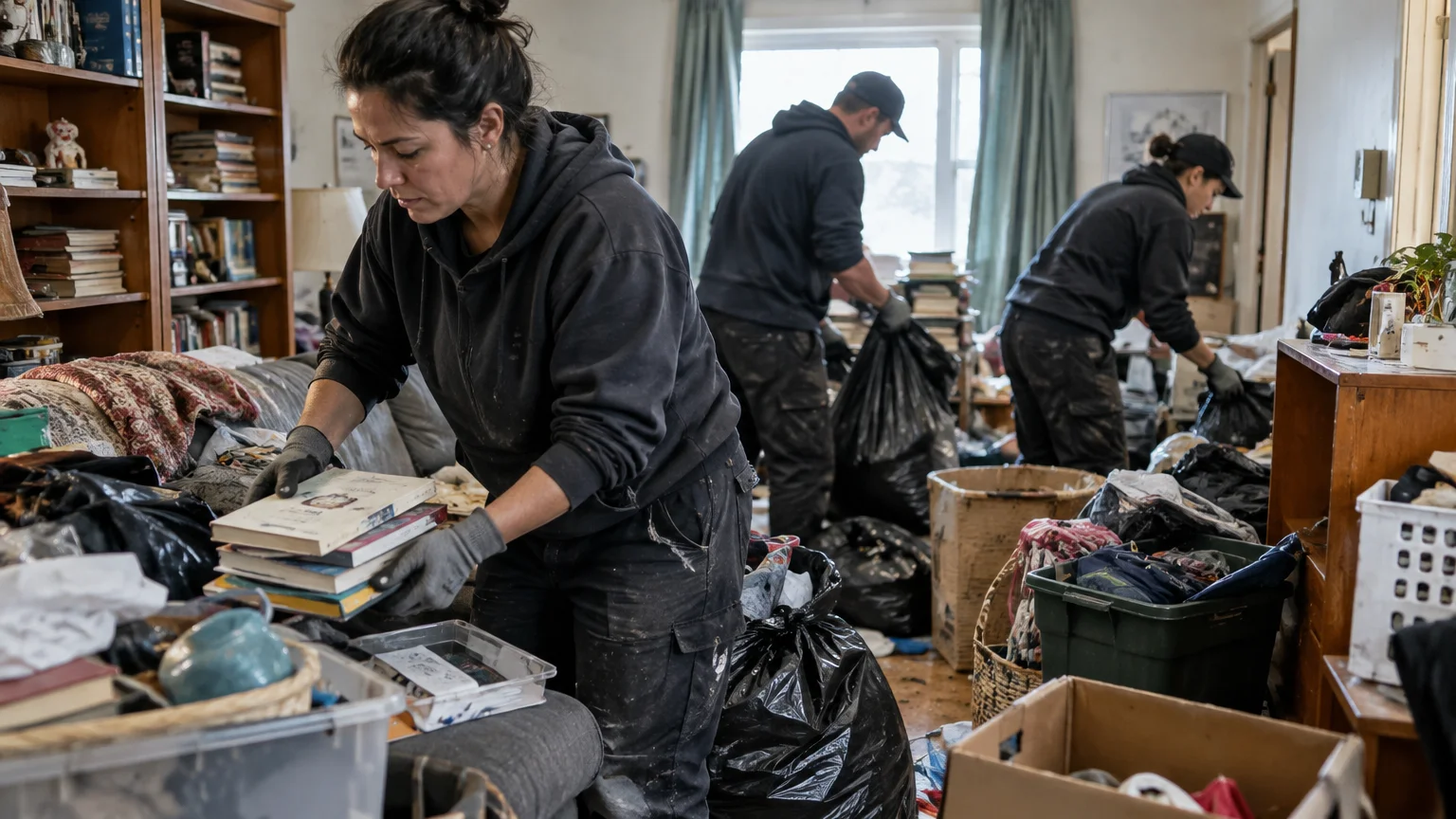
Hoarding cleanup FAQs explain what families can expect from sorting and removal to safety and next steps. The work often begins with a careful review of the home and the person’s goals. Then the team can plan which items to remove and how to keep the property safe. Families in Yakima can use these answers to prepare for the process.
How much does hoarding cleanup cost?
The cost of hoarding cleanup depends on how much material needs removal, the home’s layout, and how easy it is to reach each area. A clear room with a safe path differs from a full home with blocked exits or heavy items. The final cost is confirmed on a quote after the work has been reviewed.
What factors affect the scope of a cleanup?
First, the team needs to know which rooms need work and what must stay. It will also look at stairs, narrow paths, hard-to-reach areas, and large or heavy items. These details help the crew plan the work and move belongings safely.
The kind of material also matters. Old furniture, broken furniture, and appliances may need different handling. The crew can explain how it can remove a refrigerator or another appliance during the cleanup. Concrete chunks, chemicals, and other special materials may need separate handling or a trained provider.
The home’s condition is another part of the plan. Leaks, pests, mold, damaged floors, or blocked exits may call for extra care. A cleanup crew can explain what it can remove and when another professional should check the property.
How does hoarding cleanup differ from a standard cleanout?
A standard cleanout often centers on removing unwanted items. Hoarding cleanup may also involve careful sorting, clear walking paths, and regular talks with the person or family. Not every item should be treated as junk. Whenever possible, the person should help decide what stays.
Yakima WA Junk Removal can help property owners understand the work before it starts. A clear plan can separate removal from repairs, deep cleaning, or other work. It can also help families know which choices they need to make first.
How long does a hoarding cleanup take?
A hoarding cleanup may take more or less time based on the home’s size, the amount to sort, and access to each area. One room may take less time than a whole house with packed rooms or blocked paths. The team can set a schedule after it reviews the property and the work.
What can affect the cleanup timeline?
The amount of sorting and removal is one main factor. Work may take longer when rooms are hard to reach, items are heavy, or the home has safety concerns. Some waste may also need special handling instead of regular junk removal.
Family choices can affect the pace, too. Some belongings may have personal or legal value, so it helps to decide who can approve removal before work begins. This can prevent delays and lower the chance of throwing away something important.
How can planning help the work go smoothly?
Before the crew arrives, the person or family can mark items that must stay. They can also gather important papers, photos, keys, and medicines. It helps to choose someone who can answer questions while the work is underway.
A useful order is to clear safe paths first, sort items that need a decision, and then remove approved belongings. This can open walkways without rushing personal choices. It also helps the team spot places that may need separate cleaning or repair.
Reading hoarding cleanup FAQs can help families plan safe sorting and removal. For a home cleanout, the team should focus on household items and belongings the family has agreed to remove. Yakima WA Junk Removal can talk through a step-by-step plan that fits the property and the person’s needs. In Yakima, families can discuss which belongings need special care.
How is a hoarding cleanup handled safely and compassionately?
A safe and caring cleanup starts with a review of the home and a talk about the person’s goals. The team should look for hazards, agree on what can go, and keep paths clear where possible. The person should be part of the choices, rather than finding belongings removed without their knowledge.
What safety concerns should be assessed first?
The team should check for blocked exits, piles that may fall, sharp objects, pests, and signs of water or building damage. These problems can make it unsafe to enter or move items. A trained professional may need to check serious hazards before the cleanup can go on.
Workers should wear suitable safety gear and use safe steps when handling items. Some chemicals, medical waste, or other dangerous materials should not go into regular junk removal. If an item needs special care, the team should arrange the right kind of handling.
A professional is not needed for every small task. Homeowners can sort items in a clear, well-lit area, label boxes, and list belongings to keep. They should not climb unstable piles, lift heavy items alone, or touch unknown chemicals or sharp waste.
How can the person and their belongings be treated with respect?
Ask the person what matters most and how they want choices to be made. A simple keep, remove, and review system can help. Items marked for review should stay in place until the person or chosen decision-maker has time to choose.
A calm pace and clear words can make the work easier. The team should protect privacy, avoid blame, and explain each step in plain language. Hoarding junk removal works best when it respects the person’s choices and helps make the home safe and useful again.
What happens after a hoarding cleanup?
After the agreed items are removed, next steps depend on the home’s condition and the owner’s goals. The property may need basic cleaning, repairs, or a separate safety check before people can use it. A cleanout does not fix damage or make every room safe by itself.
What steps help make the property usable again?
After removal, the owner can check floors, walls, plumbing, and paths for damage. Deep cleaning or repairs may be needed before rooms can serve their usual purpose. If the home is part of an estate or foreclosure, the owner may also need to plan for an inspection, sale, or handover.
A helpful next-step list may include:
- Set aside important papers, valuables, and personal keepsakes.
- Arrange cleaning or repairs for damaged areas.
- Check that doors, exits, and walkways are clear.
- Plan how the person can keep useful items in order.
Hoarding cleanup needs can differ from home to home, so families should describe the items and areas they want cleared. They can ask which materials the team accepts and which need another service. This helps set clear expectations before removal begins.
What should owners or families consider before the cleanup begins?
The owner or family should decide who can approve removal and who will be there. They should also put away private papers, medicines, and items with legal or family value. If the home is inherited, it may help to check with the person handling the estate before discarding belongings.
Frequently Asked Questions
How can someone get rid of an old refrigerator?
An old refrigerator should go through a service that accepts appliances and follows local disposal rules. The owner should remove food and ask how to prepare the appliance for pickup. If it is part of a larger hoarding cleanup, the team can explain whether it can remove the refrigerator with other approved items.
How should broken furniture be removed?
Broken furniture may be removed with other household junk, but its size and condition matter. Keep people away from sharp edges, and do not try to move heavy pieces alone. A cleanup crew can review the path and removal needs before work begins.
Can a cleanup team remove concrete chunks?
Some junk removal teams accept small amounts of concrete, while others do not. Concrete is heavy, so the amount, size, and location affect safe handling. Describe the material clearly and confirm whether the crew can take it before adding it to the plan.
Does the home need to be empty before cleanup starts?
No, the home does not need to be empty before cleanup starts. The person and team can agree on what stays, what goes, and what needs more thought. Clear paths and a safe place for important belongings can help the work move forward.
Conclusion
A thoughtful cleanup plan can make a hard property cleanout easier to manage. It should account for safety, personal choices, removal needs, and any repairs that may follow. Yakima WA Junk Removal can help property owners understand hoarding cleanup options and consider next steps that fit their situation.
Key takeaways
- The home’s contents, access, and condition shape the work and schedule.
- Families should agree on what stays before removal begins.
- Serious hazards may need a check by a trained professional.
- Cleanup and repairs are separate tasks, and both may be needed.
Find out more about our estate cleanout in Yakima. Contact us to discuss a hoarding cleanup plan.