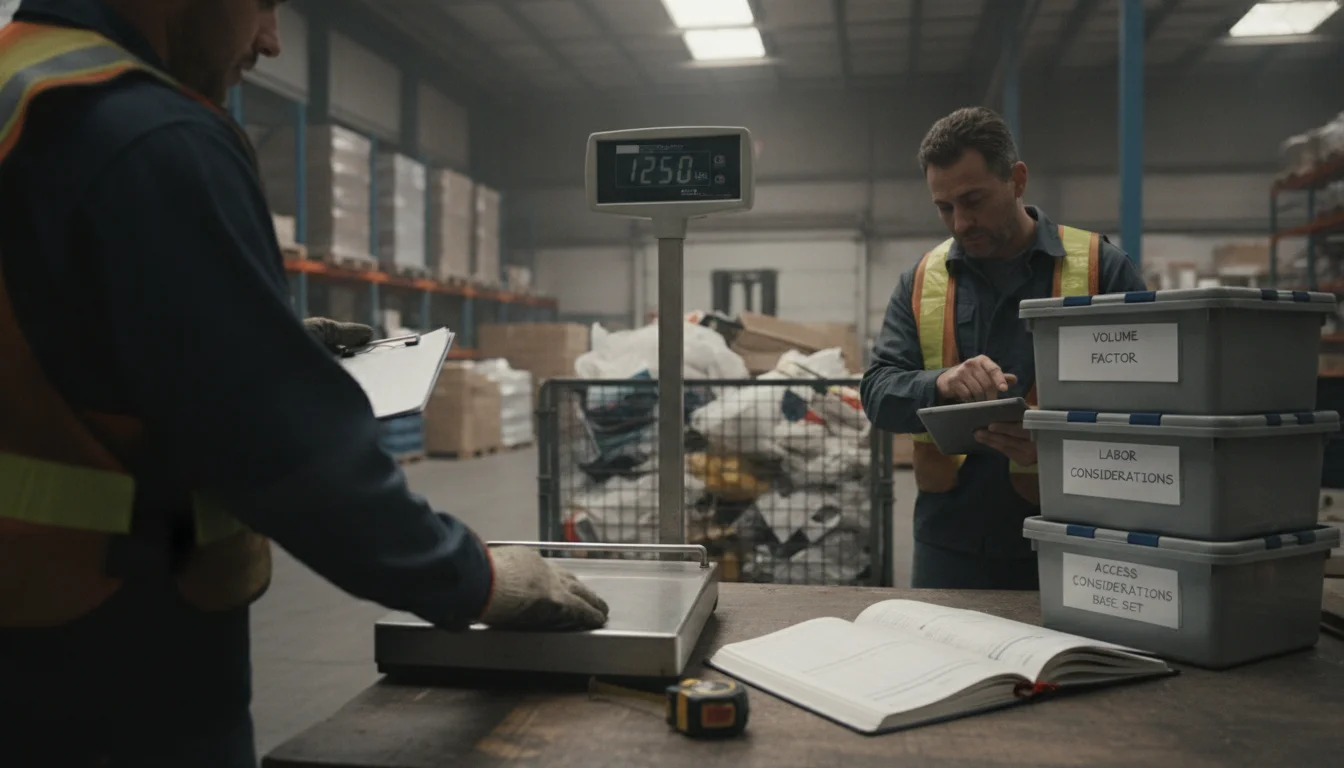
A warehouse cleanup service covers a walkthrough and scope, safe teardown, zone-by-zone sorting, loading and hauling, recycling streams, and a final sweep with sign-off—plus simple documentation. The goal is to minimize downtime in Yakima by planning around your shifts, keeping lanes clear, and returning your floor ready for work.
Looking for a simple plan to clear pallets, racks, and bulky junk without halting work in Yakima? This guide breaks down how pros do it, step by step.
Table of Contents
- What does a warehouse cleanup service include from start to finish?
- How do professionals handle pallets, racking, and bulky debris?
- What equipment and safety standards are used on commercial sites?
- Can a warehouse cleanup service manage hazardous or e-waste properly?
- How is pricing calculated and what affects the final cost?
- What scheduling options minimize downtime for operations?
- How should you prepare your facility before the crew arrives?
- Frequently Asked Questions
- Key takeaways
- Conclusion
What does a warehouse cleanup service include from start to finish?
A full service starts with a pre-clean walkthrough. The crew lead checks access, dock height, floor plan, and safety notes, confirming what stays and what goes. They map the load path and choose staging points so the job runs fast and safe with minimal disruption to active work in Yakima.
Next comes the scope. Scope details areas, item categories, and any add-ons such as rack teardown, pallet stack removal, loose film and wrap, old conveyors, and scrap metal. If you need records, it notes data like a load log, photos, and e-waste certificates. The team sets a start time and crew size.
Work then proceeds in zones. Pros block a compact area, tag items, and start controlled breakdown. Pallets stack to spec. Loose trash goes to carts. Metals stage together. Cardboard goes in a dedicated stream. Bulky items are cut or unbolted. The aim is clear lanes and zero trip hazards.
Loading follows a sequence. High-volume materials go first. Heavy items ride low and tight. Light material tops off. Dock spots flip quickly. Trucks cycle to keep space free. If the dock is congested, the team switches to box trucks or smaller shuttles.
After removal, the crew performs the final sweep. Floors are broomed. Corners, under racks, and dock wells are checked. The manager walks the site with you for sign-off. You receive simple documentation such as load photos, a materials list, and any regulated waste records.
Yakima WA Junk Removal applies this same structured approach across Yakima facilities, from busy carrier docks to quieter side bays, so you can stay focused on core operations while the cleanup proceeds.
Pre-clean walkthrough and scope
This short meeting sets goals, access plans, and risk controls. Clear expectations here save hours on move day.
Final sweep, sign-off, and documentation
You confirm the result meets spec, and you receive the records you need for landlords, audits, or internal files.
How do professionals handle pallets, racking, and bulky debris?
Pros sort by material straight away. Wood pallets stack by grade. Broken pallets move to wood recycling or fuel partners. Plastic pallets go to plastics streams. Metal racks and wire decks go to scrap. Material-first sorting cuts landfill use and makes space faster.
For racks, crews unbolt frames and beams in a defined order. Pins come out, beams come down, and uprights are braced before lowering. Anchors are backed out and tall parts controlled to the ground. Components are banded and staged for reuse or recycling. Shelving follows the same plan, with careful bracing and clear travel lanes.
Bulky gear such as conveyors, worktables, or mezz parts is dismantled methodically. Teams use impact tools and guarded saws. Sharp edges are capped. Heavy pieces strap to dollies or skates. Cones and tape keep the load path open.
Loading is tight and neat. Wood stays together, metal stacks by size, and loose wrap and film are bagged. Hazards never mix with general debris in trucks. When docks are at capacity, crews pivot to side doors or ramp plates and protect floors with mats when rolling heavy wheels.
Recycling streams keep waste low. Cardboard bales, stretch film, and banding are bundled. Metals head to scrap partners. Usable pallets may be resold or donated. E-waste is held separate for specialized handlers.
Safe dismantling and material separation
Breaking items in place creates risks. Teams move items to a safe zone, then dismantle and sort with tools, tags, and barriers.
Loading, transport, and recycling streams
Loads are planned to fit weight, route, and access. Recycling is tracked so you can report landfill diversion to stakeholders.
What equipment and safety standards are used on commercial sites?
Pros follow OSHA rules. OSHA is the federal agency that sets workplace safety standards. Crews wear PPE (personal protective equipment)—hard hats, eye and hand protection, safety shoes, and high-viz vests for busy aisles. See the OSHA overview on personal protective equipment.
Forklifts and pallet jacks handle bulk moves, and only trained operators run lifts. Forklifts are inspected before use, aisles stay within rated widths, and loads remain within posted rack and lift limits. Learn more in OSHA’s guidance on powered industrial trucks.
Cutting tools are fitted with guards and used with dust control. Cords are taped down. Ladders and mobile stairs are inspected. Fall-risk areas are marked. Emergency exits remain clear. Crews keep spill kits ready when fluids are present.
Access is essential on large sites. Dock levelers are checked and wheel chocks set. If docks are tight, teams deploy ramps or lift gates. Floor protection guards epoxy or polished slabs. For high-reach tasks, scissor lifts provide safe access to hanging signs or conduit.
Communication prevents incidents. Crews use radios, with a spotter watching when lifts back or turn. Clear hand signals work near loud equipment. Daily huddles set goals, zones, and stop times.
OSHA-compliant practices and PPE
Adhering to rules and wearing PPE reduces risk, protects people, and supports insurance and audit requirements.
Heavy machinery and access solutions
Forklifts, scissor lifts, ramps, and mats speed the work while preserving docks, floors, and product.
Can a warehouse cleanup service manage hazardous or e-waste properly?
Yes—when handled by teams trained for regulated materials. Hazardous waste is any waste that can harm people or the environment, including certain chemicals, paints, aerosols, and batteries. E-waste refers to old electronics and IT gear that need special handling. The EPA explains best practices for the sustainable management of electronics.
Pros begin with identification. They request Safety Data Sheets (SDS) when needed, look for labels on drums and cans, and separate batteries, fluorescent lamps, and devices with screens. Liquids are checked for leaks and stored upright.
When e-waste is found, it’s packed by type. Hard drives can be removed for wipe or shred per your policy. Devices are stacked in lined bins and sent to a specialized recycler. You can request a certificate of recycling or destruction.
Hazmat items follow rules for storage, marking, and transport. Drivers carry the correct documents for regulated loads. The U.S. Department of Transportation outlines required hazmat shipping papers.
Records matter for auditors and landlords. Good providers maintain load photos, weight tickets when available, and vendor receipts that tie back to your cleanup date and dock bay.
Identifying regulated materials
Staff tag suspect items early, keeping them away from general debris and noting them on the scope.
Certified disposal and required records
Vetted partners handle final processing. You receive straightforward paperwork to close the loop.
How is pricing calculated and what affects the final cost?
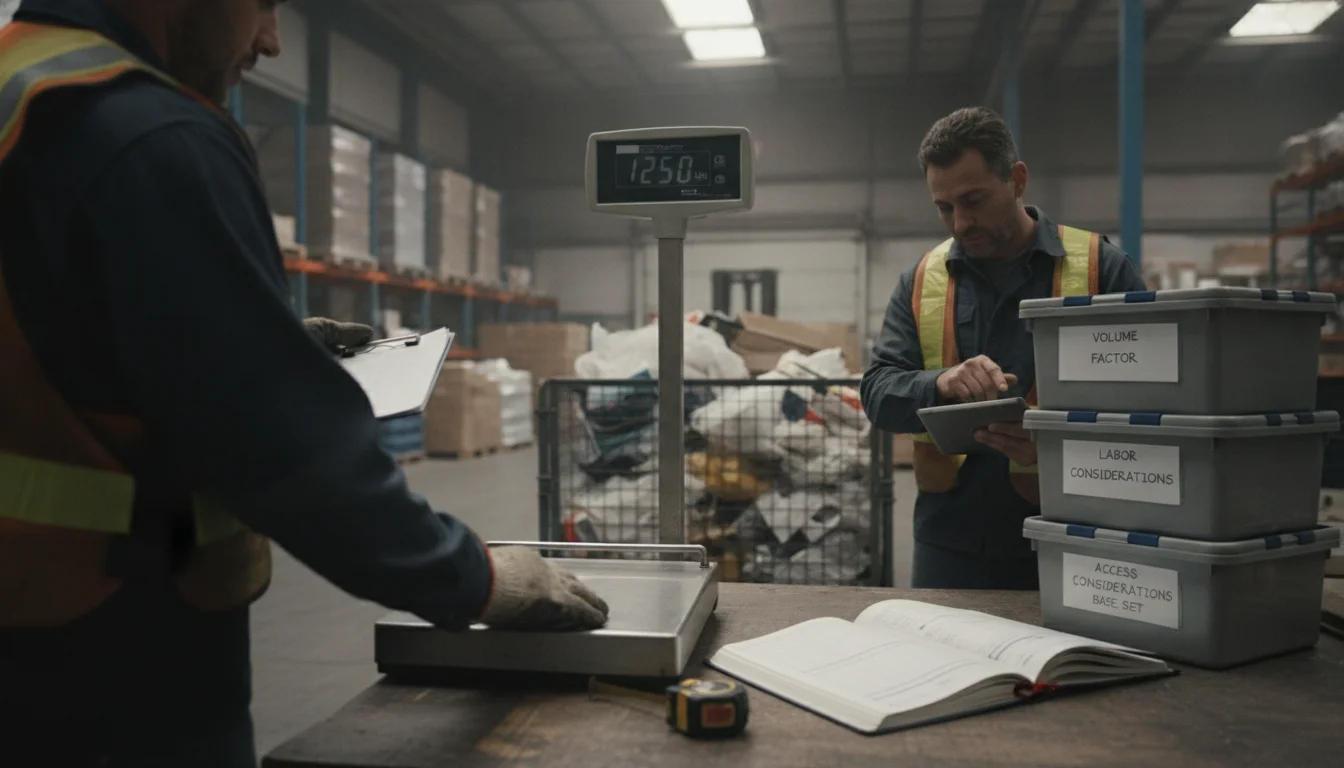
Cleanup costs vary by volume, labor, and access. Volume is the space your debris fills in a truck or container. Labor covers people and time to move, dismantle, and load. Access includes dock use, elevators, stairs, and travel paths from zones to the truck.
The material mix also matters. Pallets, racks, and metal can reduce disposal spend due to scrap value. Loose mixed trash generally costs more to dispose of. E-waste and hazardous items require special handling, adding time and vendor fees. Tight timelines, after-hours work, or security steps can also affect cost.
Site rules can change the plan. If a landlord limits truck sizes or hours, trucks may cycle more—taking longer. If escorts are required, crews may move in smaller groups. Weather can slow outside staging. A capable team builds these factors into the schedule so surprises are rare.
Ask how providers count loads. Some use truck fractions, others per-item or per-zone models. For dense jobs, weight may be used when scales are nearby. The provider should explain how they measure and how you can verify it.
Volume, labor, and access factors
These three drivers set the base, with materials, timing, and site rules adjusting costs up or down.
Line items you should expect on a quote
- Project scope and areas covered
- Crew size and expected hours
- Equipment included (lifts, carts, PPE)
- Material streams and disposal partners
- Scheduling notes and access plan
- Documentation to be provided
What scheduling options minimize downtime for operations?
Pros build plans around your shifts. Many clean during after-hours or weekends. Quiet floors mean clear lanes and faster loading. Phased work keeps part of the floor open while one zone is cleared. Signs and cones separate live zones from work zones.
If you must stay open, teams stage in small areas. They close one aisle, clear it, then reopen it. They sync with your dock team so when carriers arrive, crews pause; when docks free up, loads move out fast.
Busy sites need extra coordination. Daily talks set goals and times. Radios keep managers connected. If a carrier blocks a dock, the plan shifts to a side door or lift gate. Box trucks help when semis cannot reach the door.
Some facilities use a night/day handoff. Day staff tag items and prep stacks. Night staff load and haul. Notes and photos keep the plan tight across shifts in Yakima’s busier corridors.
After-hours and phased cleanouts
Work when the floor is quiet, and use zones so your team keeps moving without unnecessary risk.
Coordination with facility and carriers
Share dock times and live-load windows. Align breaks and truck cycles to keep freight flowing without bottlenecks.
How should you prepare your facility before the crew arrives?
Good prep speeds the job and reduces risk. Start with a clear keep/remove plan and use tags or tape. Green means keep; red means remove. Mark items that are time‑sensitive or fragile. Ask staff not to place new stock in tagged zones.
Move live product out of the work path and clear a staging spot by the dock. If you own a baler, bale cardboard before the crew arrives; if not, the crew will bundle it. Confirm that restrooms and break rooms stay open for your staff.
Share site rules early. Security steps, PPE rules, and must‑avoid areas help the crew integrate quickly. Arrange badges if needed and designate a single point of contact.
Walk the dock and parking areas. Note low pipes, tight turns, and no‑park zones. Check lighting inside and out—good light improves speed and safety.
Yakima WA Junk Removal often helps Yakima managers pre-plan these steps so day one starts smoothly and ends with a clean, ready-to-use floor.
Clear-to-keep vs. remove tagging
Simple tags cut guesswork and prevent the accidental removal of critical items.
Site readiness checklist for a faster cleanup
- Tag keep/remove on racks, pallets, and gear
- Open clear paths from zones to the dock
- Reserve dock spots and set wheel chocks
- Share shift times and carrier windows
- Stage bins for cardboard, metal, and film
- Confirm badges, escorts, and site contacts
Frequently Asked Questions
Do junk removal companies take couches and office furniture from warehouses?
Yes. Crews remove couches, chairs, desks, and break room sets. They protect doors and floors, then load by size. Many donate usable pieces and recycle metals. A warehouse cleanup service can include this as part of a larger clear‑out.
Where can I throw away big furniture from a commercial site?
Oversized items may not be accepted at regular dumpsters, depending on local rules. Use a Commercial Junk Removal team or a transfer station that accepts bulky waste. Pros handle loading, transport, and disposal rules so your staff can stay focused on core work.
Are there junk removal packages for entire facilities?
Yes. Many providers offer full cleanouts by zone or building. Packages can include rack teardown, pallet stacks, electronics, and loose debris. They also plan after‑hours work and dock schedules so your operation keeps moving.
How do I get rid of old electronics and IT gear?
Keep e‑waste separate. Remove or wipe hard drives per your policy. Pack devices in lined bins. An e‑waste recycler can handle chain of custody and provide a certificate. The EPA guidance linked above is a good reference for best practices.
Where do I take tree branches or pallets near me?
Tree branches go to green waste or city drop‑off sites. Pallets can be recycled, resold, or chipped. A local team in Yakima can pick them up and sort them by grade as part of a scheduled service.
Key takeaways
- Plan the walkthrough and scope. Clear direction speeds work and cuts risk.
- Sort early by material. Pallets, metals, and cardboard move faster when staged.
- Keep safety front and center. Follow OSHA rules, use PPE, and protect docks and floors.
- Handle regulated waste correctly. Use trained partners for e‑waste and hazmat.
- Schedule smartly. After-hours or phased plans keep operations moving in Yakima.
Conclusion
Yakima WA Junk Removal serves warehouses across Yakima with organized, safety‑minded plans that clear pallets, racking, and bulky debris while limiting downtime. They can also coordinate Commercial Junk Removal, Construction Debris Removal, Appliance Removal, Estate Cleanout, and Shed Removal & Demolition to match your timeline. Contact us to schedule a warehouse cleanup that fits your hours and keeps operations moving.
If you are not sure which of these you are dealing with, it is worth having someone look at it before it turns into a bigger job. Get in touch with Yakima WA Junk Removal today and we will tell you where you stand.